Data & Analytics

Build insightful BI and analytics dashboards with our powerful templates. They are perfect for visualizing your own business data or for creating custom analytics solutions for your clients.

LeadGenius AI: Sales Intelligence & Outreach template preview

LeadGenius AI: Sales Intelligence & Outreach

$999

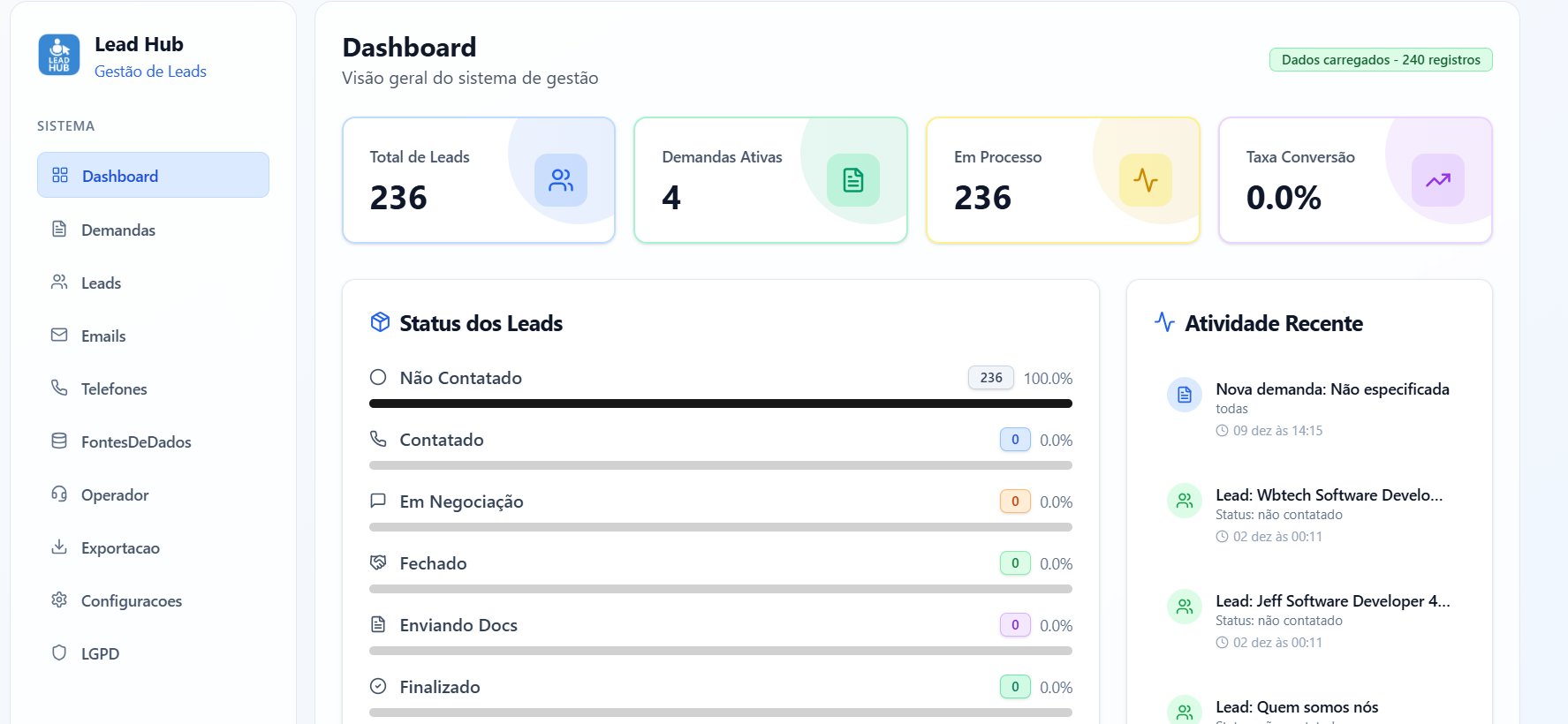
Unleash the full potential of your sales strategy with LeadGenius AI, the ultimate platform for sales intelligence and automated outreach. Seamlessly generate high-quality leads, enrich prospect data, and streamline your communication, all powered by an unparalleled integration of diverse data sources. Key Features: Comprehensive Data Insights: Access a vast array of information from over 30 integrated sources including geo-localization, web search engines, advanced AI, company registries (CNPJ), Brazilian public data, address verification, health sector insights, financial and economic indicators, education directories, government portals, international business data, reputation checks, telephony details, social media profiles, domain intelligence, commercial records, job market data, and automotive information. Intuitive Dashboard: Get a bird's-eye view of your operations, track performance, and make data-driven decisions at a glance. Demand Management: Define, organize, and manage your lead generation campaigns with precision. Powerful Lead Management: Capture, track, and nurture leads effectively, ensuring no opportunity is missed. Smart Email Campaigns: Execute targeted email blasts, personalize messages, and monitor engagement with ease. Integrated Phone Outreach: Connect with leads directly via phone, WhatsApp, and other channels. Robust Data Sources Hub: Manage and configure all your data integrations in one central place. Operator Control Center: Empower your sales team with tools for efficient lead interaction and follow-up. Advanced Export & Reporting: Generate detailed reports and export critical data for deeper analysis and strategy refinement. Flexible Configurations: Customize your platform settings, API keys, and preferences to fit your unique business needs. LeadGenius AI empowers your business to identify, engage, and convert prospects with unprecedented efficiency and intelligence. Transform your sales process and drive growth today!

CLAUDIO SANTOS DA SILVA1 clones

Marketing & Sales · Operations +1

StockWise template preview

StockWise

$299.99

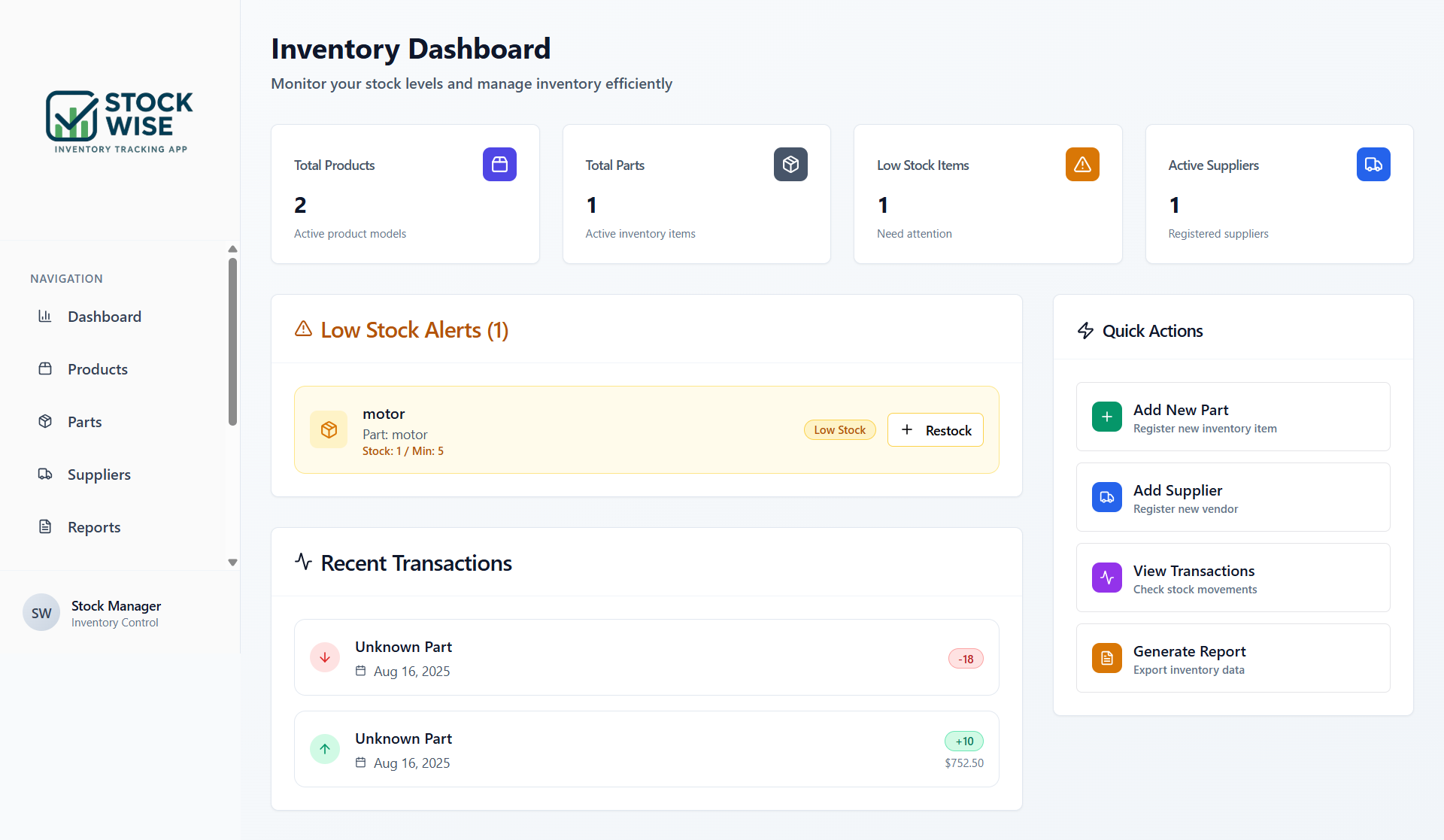
Your intelligent partner for seamless inventory management. Track parts, manage suppliers, and monitor stock levels with ease. pages/Dashboard.js Purpose: This page serves as the main overview of the inventory system, displaying key statistics and recent activities. Functions & Use Cases: Dashboard component: Purpose: The primary component for the dashboard. It manages the state for parts, transactions, suppliers, products, and loading status. Use Case: Provides users with a quick summary of their inventory. loadDashboardData function: Purpose: Asynchronously fetches data for parts, stock transactions, suppliers, and products from the database. Use Case: Populates the dashboard with up-to-date information when the page loads or refreshes. stats object calculation: Purpose: Computes various statistics like total products, total parts, low stock items, and total suppliers. Use Case: Provides aggregated numbers for the StatsGrid component, giving a high-level view of inventory health. lowStockParts calculation: Purpose: Filters the list of parts to identify those with stock levels at or below a defined minimum. Use Case: Feeds data to the LowStockAlerts component, highlighting critical inventory issues. Overall Use Case: To give users a bird's-eye view of their inventory, quickly showing them what's in stock, what needs attention, and recent activity. pages/Products.js Purpose: This page allows users to manage products, including adding, editing, deleting, and associating parts with them. Functions & Use Cases: ProductsPage component: Purpose: Manages the display and interaction for the products list, including forms for adding/editing products and a manager for product parts. Use Case: Central hub for all product-related operations. State Variables ( products , suppliers , parts , productParts , etc.): Purpose: Store the data fetched from the database and control the UI's state (e.g., showing forms, filters). Use Case: Maintain the current view of products, filters, and forms. loadData function: Purpose: Fetches all necessary data (products, suppliers, parts, product-part associations) from the database. Use Case: Initializes or refreshes the product list and related data. filterProducts function: Purpose: Filters the products list based on search terms, supplier, and equipment type. Use Case: Allows users to quickly find specific products or groups of products. handleSaveProduct function: Purpose: Handles the creation or updating of a product in the database. Use Case: Saves changes made in the ProductForm component. handleDeleteProduct function: Purpose: Deletes a product and all its associated ProductPart records from the database. Use Case: Removes a product from the system, ensuring data consistency by also removing its part links. getPartCountForProduct function: Purpose: Counts how many parts are linked to a specific product. Use Case: Displays the part count on each ProductCard for quick reference. getSupplierName function: Purpose: Retrieves the name of a supplier given their ID. Use Case: Displays the supplier's name on product cards and forms instead of just an ID. Overall Use Case: To provide a comprehensive interface for managing product definitions, their associated suppliers, and the specific parts that constitute each product. pages/Parts.js Purpose: This page is dedicated to managing individual parts in the inventory. Functions & Use Cases: PartsPage component: Purpose: Displays a list of all parts, allows searching, and provides forms for adding or editing parts. Use Case: Manages the inventory of individual components. State Variables ( parts , isLoading , showAddForm , editingPart , searchTerm ): Purpose: Manage the list of parts, loading status, form visibility, currently edited part, and search input. Use Case: Controls the interactive elements and data display on the parts page. loadData function: Purpose: Fetches all parts from the database. Use Case: Populates the parts list when the page loads or after a part is added, edited, or deleted. handleSavePart function: Purpose: Creates a new part or updates an existing one in the database. Use Case: Saves data entered in the PartForm . handleDeletePart function: Purpose: Deletes a specific part from the database. Use Case: Removes unwanted or obsolete parts from the inventory. filteredParts calculation: Purpose: Filters the parts list based on the search term. Use Case: Enables users to quickly find parts by name. Overall Use Case: To manage the individual parts inventory, including creating, reading, updating, and deleting part records. pages/Suppliers.js Purpose: This page manages information about suppliers. Functions & Use Cases: SuppliersPage component: Purpose: Displays a list of suppliers, allows searching, and provides forms for adding or editing supplier details. It also prevents deletion of suppliers that are linked to products. Use Case: Manages the list of companies that provide products or parts. State Variables ( suppliers , products , isLoading , showAddForm , editingSupplier , searchTerm ): Purpose: Manage the list of suppliers, associated products (for deletion checks), loading status, form visibility, currently edited supplier, and search input. Use Case: Controls the interactive elements and data display on the suppliers page. loadData function: Purpose: Fetches all suppliers and products from the database. Use Case: Populates the supplier list and gets product data for deletion checks. handleSaveSupplier function: Purpose: Creates a new supplier or updates an existing one in the database. Use Case: Saves data entered in the SupplierForm . handleDeleteSupplier function: Purpose: Deletes a specific supplier from the database, but only if no products are associated with them. Use Case: Removes a supplier, ensuring data integrity by preventing deletion of suppliers with active products. filteredSuppliers calculation: Purpose: Filters the suppliers list based on the search term. Use Case: Helps users quickly find specific suppliers. getProductCount function: Purpose: Counts the number of products associated with a given supplier. Use Case: Displays the product count on each supplier card and helps in the deletion check. Overall Use Case: To manage supplier records, enabling users to add, view, update, and conditionally delete suppliers. pages/Transactions.js Purpose: This page provides a detailed log of all stock movements (transactions). Functions & Use Cases: TransactionsPage component: Purpose: Displays a list of stock transactions with filtering capabilities by search term, transaction type, and date range. It also shows summary statistics for stock changes. Use Case: To track and analyze all incoming and outgoing stock movements. State Variables ( transactions , parts , suppliers , filteredTransactions , isLoading , searchTerm , typeFilter , dateFilter ): Purpose: Store raw transaction data, related parts and suppliers, filtered transaction results, loading status, and the current filter settings. Use Case: Manages the data and UI state for filtering and displaying transactions. loadData function: Purpose: Fetches all stock transactions, parts, and suppliers from the database. Use Case: Initializes the transaction history display. filterTransactions function: Purpose: Applies search and filter criteria (by part name, supplier, reference, transaction type, and date) to the raw transaction data. Use Case: Allows users to narrow down the transaction list to find specific events. getPart and getSupplier functions: Purpose: Helper functions to find part or supplier objects by their respective IDs from the loaded data. Use Case: Used to display human-readable part and supplier names in the transaction list. totalIn , totalOut , totalValue calculations: Purpose: Calculate the total quantity of items added, removed, and the total monetary value of transactions based on filtered data. Use Case: Provide summary statistics at the top of the page for an overview of stock movement impact. Overall Use Case: To provide a comprehensive and filterable record of all stock transactions, helping users audit inventory changes and understand stock flow. components/products/ProductPartsManager.jsx Purpose: This component allows users to manage the specific parts that belong to a particular product. Functions & Use Cases: ProductPartsManager component: Purpose: Provides an interface within a modal or card to add new parts to a product, remove existing linked parts, and optionally create new individual parts on the fly. Use Case: Establishes and maintains the "child hierarchy" of parts under a product. State Variables ( selectedPart , quantity , isAddingNewPart , newPartName ): Purpose: Manage the selection of parts, quantity for new links, and the state for creating a brand new part. Use Case: Controls the input fields and logic for linking parts. getPartName function: Purpose: Retrieves the name of a part given its ID. Use Case: Displays the part's name in the list of linked parts. handleAddPart function: Purpose: Creates a new ProductPart record, linking a selected part (or a newly created one) to the product. Includes validation for existing links and new part name. Use Case: Adds a component to a product's bill of materials. handleRemovePart function: Purpose: Deletes a ProductPart record, effectively unlinking a part from the product. Use Case: Removes a component from a product's bill of materials. Overall Use Case: To enable detailed configuration of products by specifying which parts they require and in what quantities, centralizing the management of product components. components/products/ProductCard.jsx Purpose: This component displays a single product's information and provides actions related to it. Functions & Use Cases: ProductCard component: Purpose: Renders a visually appealing card for each product, showing its name, type, supplier, and the count of associated parts. It also includes buttons for editing, deleting, and managing parts. Use Case: Provides an actionable summary of each product in the ProductsPage list. Props ( product , supplierName , partCount , onEdit , onDelete , onManageParts ): Purpose: Receives all necessary data and callback functions from the parent ProductsPage to display information and trigger actions. Use Case: Customizes the content and behavior of each product card. Overall Use Case: To offer a concise and interactive representation of each product, serving as a gateway to detailed product management actions. components/parts/PartForm.jsx Purpose: This component provides a form for adding or editing part details. Functions & Use Cases: PartForm component: Purpose: Displays a form with input fields for a part's name and current stock quantity. It supports both creating new parts and editing existing ones. Use Case: Allows users to input and modify part information. State Variables ( formData ): Purpose: Manages the values of the form inputs. Use Case: Holds the data being entered or edited for a part. handleSubmit function: Purpose: Calls the onSave callback from the parent component with the current form data. Use Case: Submits the part data for creation or update. handleInputChange function: Purpose: Updates the formData state as the user types into the input fields. Use Case: Keeps the form's state synchronized with user input. Overall Use Case: To provide a dedicated and animated form for creating and updating individual part records. components/suppliers/SupplierForm.jsx Purpose: This component provides a form for adding or editing supplier details. Functions & Use Cases: SupplierForm component: Purpose: Displays a form with an input field for a supplier's name. It supports both creating new suppliers and editing existing ones. Use Case: Allows users to input and modify supplier information. State Variables ( formData ): Purpose: Manages the value of the form input for the supplier's name. Use Case: Holds the data being entered or edited for a supplier. handleSubmit function: Purpose: Calls the onSave callback from the parent component with the current form data. Use Case: Submits the supplier data for creation or update. handleInputChange function: Purpose: Updates the formData state as the user types into the input field. Use Case: Keeps the form's state synchronized with user input. Overall Use Case: To provide a dedicated and animated form for creating and updating supplier records. suport@ www.mellistech.com

Mellis Tech1 clones

Operations · Data & Analytics

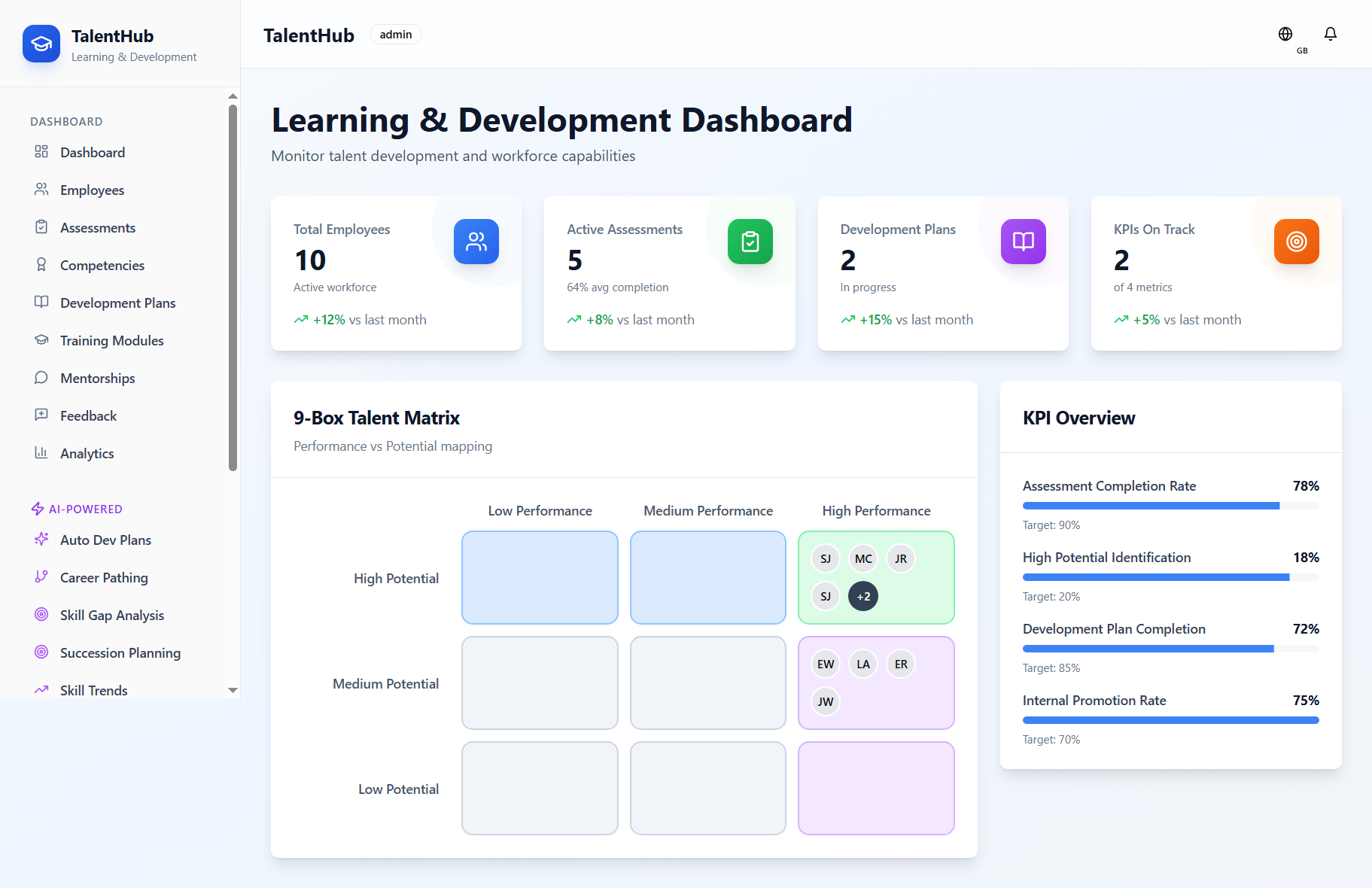
TalentHub template preview

TalentHub

$299.99

An intelligent platform for optimizing talent development, assessment, and strategic workforce planning. The TalentHub platform is a comprehensive, AI-powered Learning & Development (L&D) ecosystem designed to automate and enhance the role of an L&D Business Partner. It provides a robust set of tools and intelligent insights across various L&D functions. I. Core L&D Functionality Employee Profiles : Stores essential employee data, including department, role, hire date, performance scores, and potential ratings. Benefits : Centralized employee data for HR and L&D; enables personalized development and analysis. Assessment Management : Creates, manages, and tracks various types of employee assessments (e.g., Psychometric, Skills, Leadership, 360 Feedback). Benefits : Standardized evaluation of employee capabilities; identifies strengths and areas for development. Competency Frameworks : Defines organizational competencies with categories, descriptions, applicable roles, and behavioral indicators. Benefits : Establishes clear skill expectations; guides development efforts and career progression. Development Plans : Facilitates the creation, tracking, and management of individual development plans for employees. Benefits : Structured approach to employee growth; ensures targeted skill enhancement. Training Modules : Manages training content, including AI-generated modules, quizzes, and recommended resources. Benefits : Flexible and accessible learning resources; customizable content creation. Mentorship Hub : Manages mentorship relationships, including goal setting and session logging. Benefits : Fosters knowledge transfer and skill development through peer and senior guidance. Feedback Management : Collects and organizes feedback (Peer, Manager, Self, 360) with categories and detailed insights. Benefits : Provides constructive insights for employee growth; promotes a culture of continuous improvement. KPI Tracking : Monitors key L&D metrics across engagement, completion, performance, and retention. Benefits : Measures the effectiveness and impact of L&D initiatives; supports data-driven decision-making. Analytics Dashboards : Visualizes L&D data through charts and graphs. Benefits : Provides insights into workforce capabilities, development progress, and program effectiveness. II. AI-Powered Strategic Capabilities AI-Generated Training Modules : Creates custom training content, quizzes, and feedback mechanisms on demand using AI. Benefits : Rapid content creation; ensures relevance and personalization of learning materials. AI-Assisted Competency Definition (Competency Management) : Uses AI to analyze market trends and suggest updates to the competency framework, including emerging skills and those to phase out. Benefits : Keeps the organization's skill framework future-proof; ensures alignment with industry demands. Automated Development Plans : Generates personalized development plans for employees based on their profiles, assessment results, and available resources. Benefits : Saves time for L&D and managers; provides tailored, actionable growth paths. AI Career Pathing : Analyzes employee data to suggest personalized internal career progression paths, including target roles, required competencies, and development roadmaps. Benefits : Empowers employees with clear growth visibility; aids talent retention by showcasing internal opportunities. AI-Powered Skill Gap Visualization : Identifies and visualizes skill gaps across departments and roles, highlighting areas of strength and weakness. Benefits : Strategic workforce planning; targeted training interventions. L&D Initiative ROI Prediction : Predicts the return on investment for proposed training programs, including financial returns, KPI impacts, and risk assessments. Benefits : Enables data-driven budgeting and resource allocation; demonstrates the business impact of L&D. Natural Language Analytics : Allows users to query L&D data using plain English and receive answers, insights, and visualizations. Benefits : Makes complex analytics accessible to non-technical users; speeds up insight generation. Predictive Talent Retention (Flight Risk Analysis) : Identifies employees at risk of leaving the organization and suggests proactive interventions. (Accessible via Manager Dashboard and dedicated FlightRisk page) Benefits : Proactive talent management; reduces turnover costs. AI for Strategic Workforce Planning : Generates comprehensive strategic workforce plans based on current data and future needs. Benefits : Ensures organizational readiness for future challenges; optimizes talent deployment. AI Chatbot (AIAssistant) : Provides an interactive AI assistant for employee L&D support. Benefits : Instant support and guidance for employees; frees up L&D staff for strategic tasks. AI-Powered Mentorship Matching : Enhances mentor-mentee matching by analyzing skills, development areas, and career goals for optimal compatibility. Benefits : Maximizes the effectiveness of mentorship programs. III. Engagement & Operational Excellence Gamification System : Awards points, levels, and badges for learning activities and achievements. Benefits : Boosts employee engagement and motivation; encourages continuous learning. Smart Notifications : Proactive alerts for development plan deadlines, assessment due dates, and other critical L&D events. Benefits : Keeps employees and managers informed; ensures timely completion of tasks. HRIS/LMS Integration Capabilities : Provides tools for importing and exporting data, ensuring compatibility with existing HR and learning systems. Benefits : Streamlined data flow; reduces manual effort and data inconsistencies. Succession Planning : AI-powered tool for identifying potential successors for critical roles and planning their development. Benefits : Ensures leadership continuity; mitigates risks associated with key role vacancies. Skill Trend Analysis : Analyzes internal and external data to identify trending skills and potential gaps. Benefits : Informs curriculum development; keeps the workforce competitive. IV. Enterprise-Grade Foundation Granular User Roles & Permissions : Supports roles like L&D Administrator, Department Manager, HR Business Partner, and Employee with tailored access. Benefits : Enhanced security and data privacy; ensures users only access relevant information and functionalities. Multi-Language Support : Supports multiple languages, including right-to-left (RTL) for Arabic. Benefits : Improves accessibility and inclusivity for a diverse global workforce. Responsive Design : The entire application is built to be responsive, providing a consistent experience across desktop and mobile devices. Benefits : Accessibility and usability for all users, regardless of their device. In summary, TalentHub is a powerful, intelligent platform that not only streamlines traditional L&D processes but also leverages advanced AI to provide predictive insights, personalized development, and strategic workforce capabilities, significantly enhancing an organization's talent development efforts. Here's a comprehensive overview of TalentHub's features, functions, and use cases: I. Core L&D Management Employee Management ( /employees ) : Features : View, add, and manage employee profiles including personal details, department, role, hire date, performance scores, potential ratings, and promotion readiness. Functions : Centralized employee data management for HR and L&D administrators. Use Cases : Maintaining an up-to-date employee directory, tracking key HR metrics. Assessment Management ( /assessments ) : Features : Create, publish, and manage various types of assessments (psychometric, skills, leadership). Track completion rates and due dates. Functions : Designing and deploying evaluation tools for skill identification and performance measurement. Use Cases : Pre-employment screening, identifying skill gaps, leadership development. Competency Management ( /competency-management ) : Features : Define and manage organizational competencies, categorize them, specify applicable roles, and outline behavioral indicators for different proficiency levels. Functions : Establishing a clear framework for skills and behaviors required across the organization. Use Cases : Skill gap analysis, aligning training with business needs, career pathing. Development Plans ( /development-plans ) : Features : Create, track, and manage individualized development plans for employees, including focus areas, learning activities, and target completion dates. Functions : Tailoring growth opportunities to individual employee needs. Use Cases : Employee growth, performance improvement, succession planning. Training Modules ( /training-modules ) : Features : Browse, access, and manage a library of training modules, categorized by difficulty, competency, and duration. Functions : Delivering structured learning content. Use Cases : Onboarding, continuous learning, skill development. Mentorship Hub ( /mentorship-hub ) : Features : Facilitate and manage mentorship programs. AI-powered mentor matching, session logging, and tracking of mentor-mentee interactions and goals. Functions : Connecting employees for guided development and knowledge transfer. Use Cases : Skill transfer, career guidance, leadership development. Feedback Management ( /feedback-management ) : Features : Collect and manage various types of feedback (peer, manager, self, 360), track strengths, areas for improvement, and detailed feedback. Functions : Providing constructive input for employee growth. Use Cases : Performance reviews, behavioral coaching, developmental insights. II. AI-Powered Insights & Automation AI L&D Assistant ( /ai-assistant ) : Features : An interactive AI chatbot for personalized guidance on learning and development, accessible via the web interface and WhatsApp. Manages conversations and provides real-time assistance. Functions : On-demand AI coaching and resource discovery. Use Cases : Answering L&D questions, suggesting learning paths, providing quick insights. Automated Development Plans ( /automated-development-plans ) : Features : AI-driven generation of development plans based on employee profiles, assessment results, and organizational needs. Functions : Streamlining the creation of personalized growth strategies. Use Cases : Scaling personalized development across the workforce, reducing administrative burden. Career Pathing ( /career-pathing ) : Features : AI analyzes employee data (performance, skills, assessments) to suggest potential internal career paths, including required competencies and development roadmaps. Functions : Guiding employees through internal mobility and growth opportunities. Use Cases : Employee retention, talent mobility, internal hiring. Skill Gap Analysis ( /skill-gap-visualization ) : Features : Visual representation and analysis of skill gaps at individual, team, and organizational levels, powered by AI. Functions : Identifying critical skill deficits and areas for targeted training. Use Cases : Workforce planning, training needs analysis. Succession Planning ( /succession-planning ) : Features : AI-assisted identification of potential successors for critical roles, evaluating readiness, development gaps, and recommended actions. Functions : Ensuring leadership continuity and strategic talent pipelines. Use Cases : Risk mitigation, leadership development, long-term organizational planning. Skill Trends ( /skill-trends ) : Features : Monitor and analyze external and internal skill trends, providing insights into rising, stable, or declining skills, market demand, and internal supply. Functions : Strategic workforce planning based on evolving skill landscapes. Use Cases : Curriculum development, talent acquisition, skill investment decisions. Workforce Planning ( /workforce-planning ) : Features : AI-driven forecasting of future talent needs, identifying potential shortages or surpluses, and suggesting strategies for recruitment, upskilling, or reskilling. Functions : Optimizing talent allocation and resource management. Use Cases : Strategic hiring, organizational restructuring. ROI Prediction ( /roi-prediction ) : Features : Predict the return on investment for L&D initiatives, assessing potential impact on performance, productivity, and retention. Functions : Justifying L&D expenditures and optimizing program effectiveness. Use Cases : Budget allocation, program evaluation. Impact Correlation ( /impact-correlation ) : Features : AI analyzes the correlation between L&D interventions and key business outcomes, providing data-driven insights into program effectiveness. Functions : Understanding which L&D efforts truly move the needle for business goals. Use Cases : Refining L&D strategy, demonstrating value to stakeholders. AI Fairness ( /ai-fairness ) : Features : Tools and dashboards to detect and mitigate biases in AI-driven recommendations and processes within the L&D platform, ensuring equitable opportunities. Functions : Promoting fairness and ethical use of AI in talent development. Use Cases : Compliance, diversity & inclusion initiatives, building trust in AI systems. III. Engagement & Gamification Gamification ( /gamification ) : Features : Tracks employee progress, awards points, levels, and badges for completing modules, assessments, and development plans. Includes streak tracking. Functions : Motivating continuous learning and engagement through game-like mechanics. Use Cases : Boosting participation in L&D programs, fostering a culture of learning. Social Learning ( /social-learning ) : Features : Provides an activity feed for shared learning achievements, collaborative spaces, and peer-to-peer knowledge sharing. Functions : Encouraging community, collaboration, and informal learning. Use Cases : Team learning, knowledge sharing across departments, building internal networks. Micro-Learning ( /micro-learning ) : Features : Delivers bite-sized learning content, often gamified and mobile-friendly, for quick skill acquisition or refreshers. Functions : Adapting learning to modern work styles and short attention spans. Use Cases : Just-in-time learning, skill reinforcement, quick knowledge updates. IV. Analytics & Reporting Analytics ( /analytics ) : Features : Comprehensive dashboards and reports on workforce data, including department distribution, potential ratings, performance scores, and promotion readiness. Functions : Providing data-driven insights for strategic talent decisions. Use Cases : HR reporting, identifying talent pools, informing L&D strategy. Natural Language Analytics ( /natural-language-analytics ) : Features : Allows users to query L&D data using natural language, making analytics accessible to non-technical users. Functions : Democratizing data access and accelerating insights. Use Cases : Quick reporting, ad-hoc data analysis. V. Platform Administration User Management ( /user-management ) : Features : Manage user accounts, roles (admin, manager, employee, L&D Administrator, HR Business Partner), and permissions. Functions : Controlling access and ensuring data security. Use Cases : User onboarding, role assignment, security management. Notification System : Features : Delivers timely notifications to users regarding assessment due dates, plan deadlines, new modules, feedback received, and system alerts. Functions : Keeping users informed and engaged. Use Cases : Reminders, important announcements. This comprehensive set of features positions TalentHub as a powerful platform for modern L&D, combining robust management tools with cutting-edge AI capabilities to foster continuous growth and strategic talent development. suport@ www.mellistech.com

Mellis Tech1 clones

HR & Legal · Operations +1
CommandFlow AI template preview

CommandFlow AI

$9.99

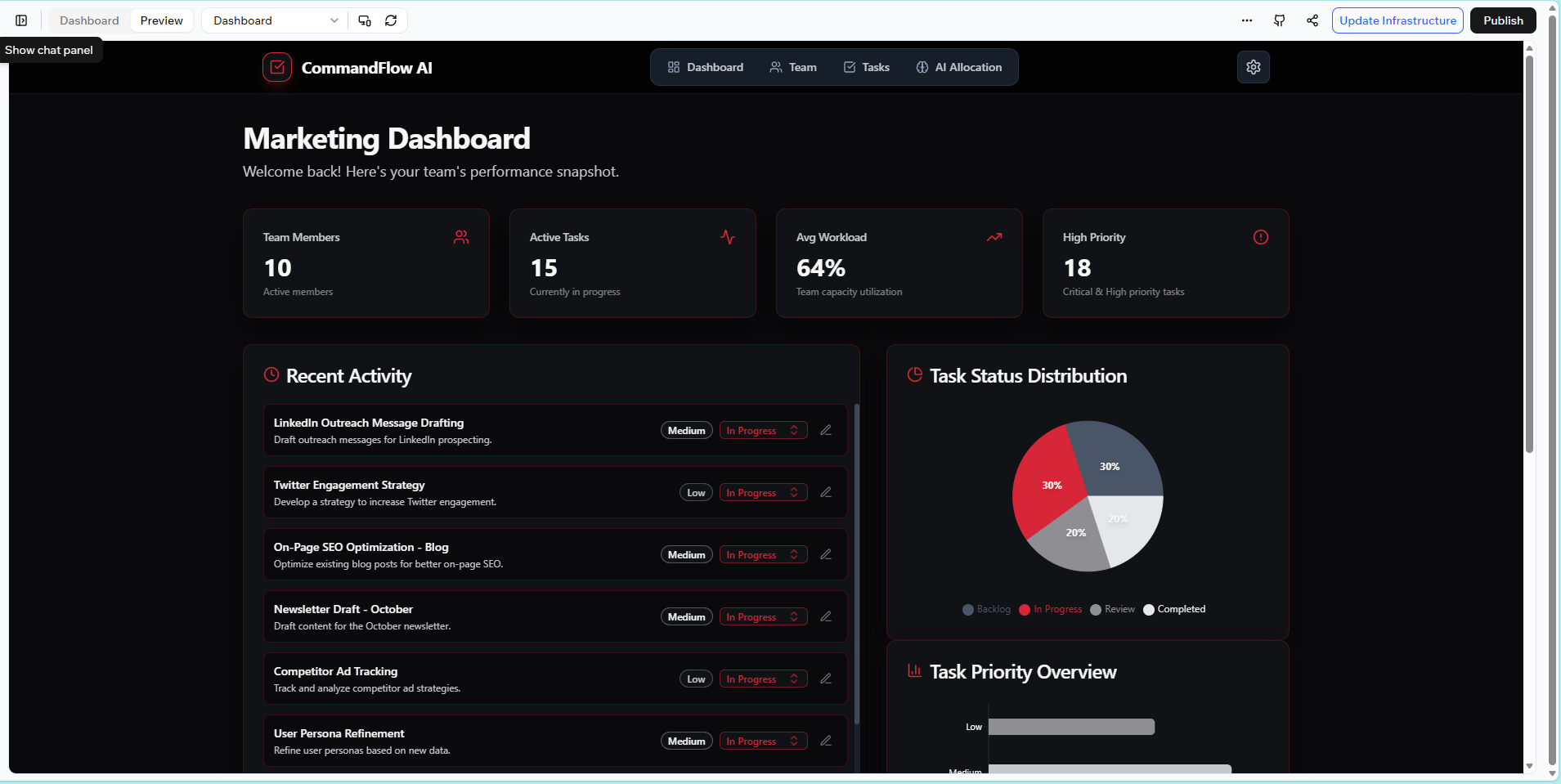
CommandFlow AI CommandFlow AI brings precision, clarity, and intelligent structure into every workflow. It gives users a fast, powerful environment where tasks, people, and performance come together in one seamless system. 🔥 AI Task Allocation The engine instantly analyzes skills, workload, and availability to recommend the smartest assignments. Teams make better decisions in seconds and every project moves with more intention. 📊 Real Time Performance Hub A clean top level dashboard shows active tasks, total workload, priority levels, and team capacity. Users open the app and immediately understand what matters most. 👥 Team Intelligence Each member has a full skill map that reveals strengths across content, analytics, design, SEO, strategy, and more. Workload and availability update automatically so planning feels effortless. 🗂️ Task Management That Feels Good to Use Cards are clear, organized, and easy to scan. Status, priority, due dates, tags, and owners pop instantly. Users glide through the workflow with zero friction and complete confidence. 🤖 Smart Recommendations The system breaks down complex backlogs into structured actions that are easy to assign and easy to track. Productivity increases naturally because the layout guides users in the right direction. ✨ Why This Template Sells It is fast, visually striking, and immediately useful It helps teams and individuals stay organized without overcomplicating anything It feels premium and professional right from the first click It comes fully set up and ready for immediate use CommandFlow AI delivers a smooth, intelligent experience that elevates every team’s workflow. It looks sharp, moves clean, and gives users the clarity they need to perform at their best. Perfect for teams, agencies, creators, and anyone who wants structure with style.

Cousin Ive1 clones

Marketing & Sales · Content Generation +3

TruMeasure - Gage R&R Developer template preview

TruMeasure - Gage R&R Developer

$19

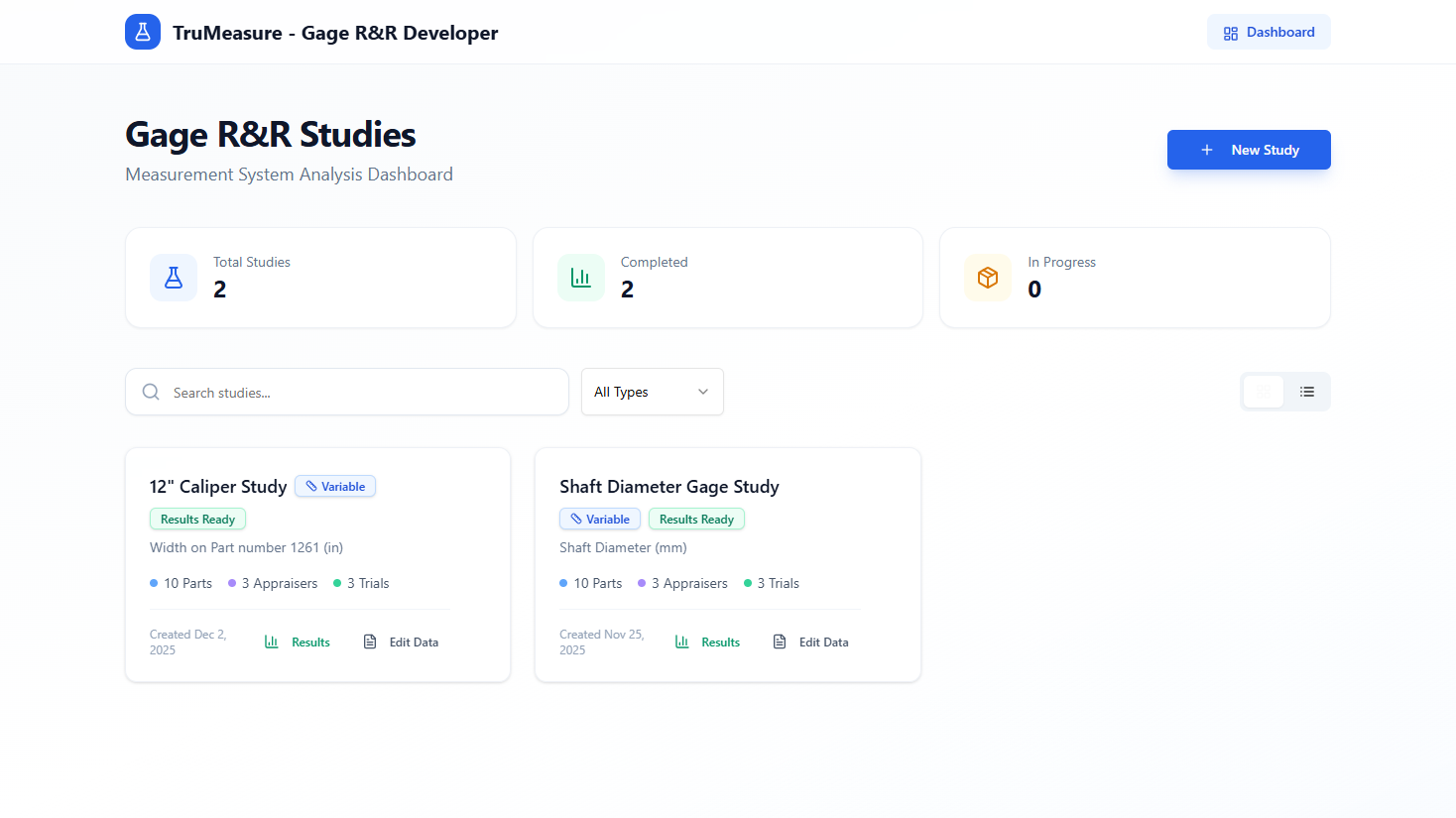
Your complete Gage R&R solution for manufacturing teams who demand accuracy, clarity, and audit-ready reports. Quality Managers and Engineers waste hours every month fighting Excel sheets, hunting for formulas, and cleaning up broken Gage R&R templates. TruMeasure Gage R&R Developer eliminates that chaos and gives you clean, accurate, AIAG-aligned Gage R&R results in minutes—no spreadsheets required. Built specifically for manufacturing, automotive, aerospace, medical device, and defense environments, this app transforms your measurement system analysis with: ✅ Full Variable Gage R&R (Average & Range method) Automatically calculates EV, AV, GRR, PV, TV, %Contribution, Study Variation, %GRR of Tolerance, and NDC. ✅ Attribute Gage R&R Module Analyze Pass/Fail and Visual Inspection accuracy with: Repeatability, Reproducibility, False Positive/Negative rates, Confusion Matrices, and Operator Accuracy. ✅ Easy Interpretation Understand your measurement system instantly with clear ratings: “Excellent,” “Marginal,” “Poor,” and the brand-new Discrimination Ratio analysis based on AIAG MSA. ✅ Clean, Guided Workflow Enter or upload readings through intuitive data-entry screens—no formulas, no macros, no mistakes. ✅ Audit-Ready Reports Generate a perfectly formatted PDF report with all calculations, charts, results, and interpretations for auditors or customers. These reports can easily be inserted into PPAP packages or Lean Six Sigma reports. ✅ Perfect for DMAIC, PPAP, APQP, MSA, IATF 16949, and ISO 9001 Whether you're prepping for a customer audit or validating new production tooling, TruMeasure Gage R&R keeps you compliant and confident. 📽️ Watch this Video on YouTube for a Demo of TruMeasure Why You’ll Love It Zero Excel or Minitab headaches Zero formula errors Zero wasted time 100% consistent, repeatable, AIAG-aligned results Super easy for operators, inspectors, and engineers Impress management AND auditors If you rely on measurement data to make decisions, this tool will pay for itself the moment you run your first study. At just $49, you'll see the ROI after just one use!

Robert Gutierrez1 clones

Operations · Data & Analytics

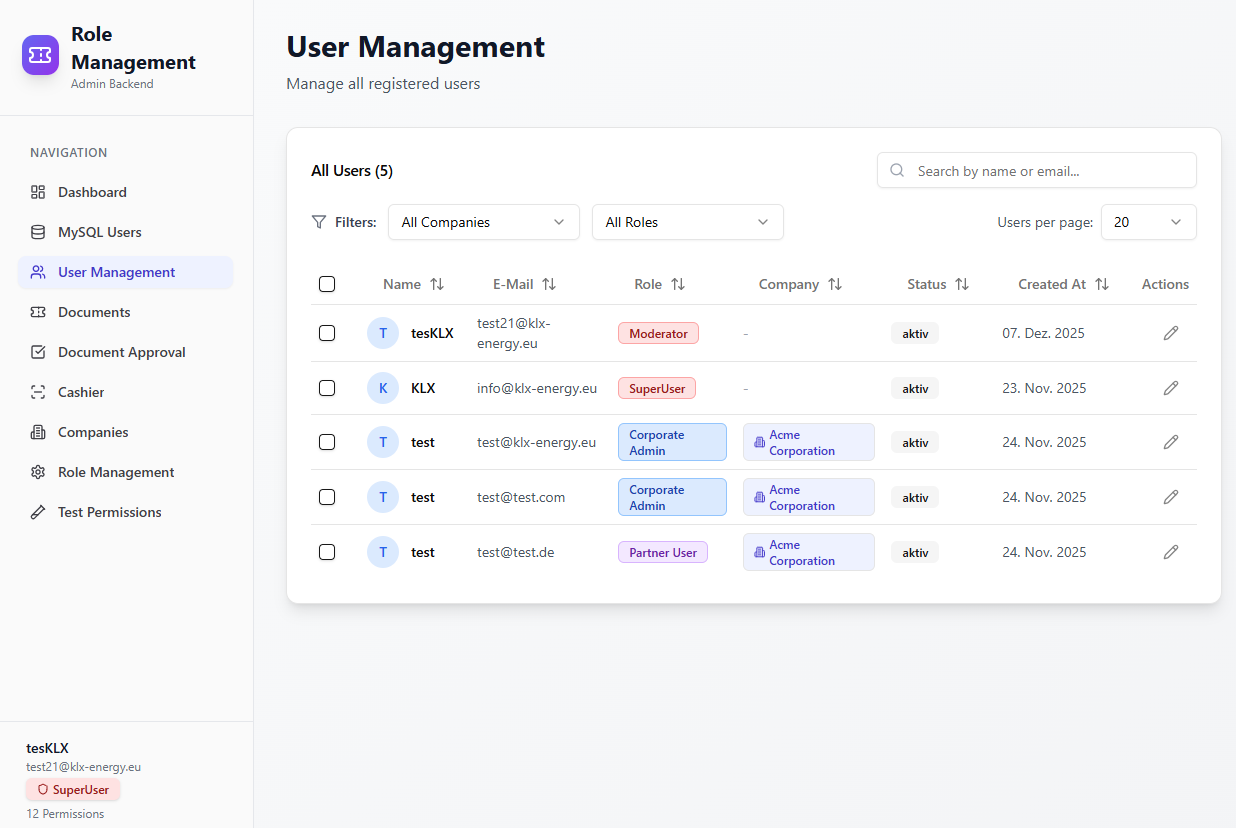
Role Based Access Control by KLX template preview

Role Based Access Control by KLX

$89

Template Description Whether you're building a small application or a large-scale enterprise platform, this extension delivers everything you need. It provides a powerful matrix-based role and permission management system that integrates seamlessly into any application—with full transparency, maximum security, and complete independence from the Base44 environment. The template has been significantly extended to include: a fully MySQL-based user management layer , enabling multiple independent systems to share one unified user base complete Mailgun email delivery integration , replacing all Base44-related email logic 🔐 Flexible Permission-Based Role Management The system uses a permission-centric role model that you can freely define, extend, and customize. Permissions are verified: in the frontend in the backend (server-side) This prevents unauthorized access even if someone tries: direct URL calls bypassing the UI altering client-side scripts performing SQL injection attempts User roles can be created, edited, and reassigned at any time. 🧪 Easy Role Testing Under “Test Permissions” , you can simulate any role and instantly experience the system as if you were logged in as that role. Permission checks run both client- and server-side, ensuring accurate testing and preventing unauthorized access—even during role simulation. Returning to the original user session is just one click away. 🏢 Full Multi-Tenant Capability The system supports complete data separation between companies or organizations. Users in Company A see only Company A’s content Users in Company B see only Company B’s content This isolation is controlled through Hierarchy Level 1 Hierarchy Level 0 is reserved for system operators and grants global access. Hierarchy Level 2 inherits from Level 1, making it ideal for parent-child organizational models. Example A franchise system: Headquarters (Level 1) sees all branches Each branch sees only its own content System operator (Level 0) sees everything You can test these scenarios in real time using “Test Permissions” . 🗄 Fully MySQL-Based User Management (NEW) The entire user administration—roles, permissions, hierarchy levels, company assignments—is now stored and managed in MySQL , completely independent of Base44. This enables: ✔ A Shared User Base Across Multiple Applications Several Base44 apps can connect to the same database and use the same user pool. ✔ Unified Permissions Across Systems Roles and permissions are consistent across all applications that share the database. ✔ Full Extensibility User records, metadata, and organizational structures exist outside Base44’s constraints and can be customized freely. Use any database you want. PostgreSQL, Microsoft SQL Server, Oracle, SQLite or any other. Just type in prompt that you want to use another database and Base44 System creates the right connection for you. ✉️ Complete Mailgun Email Integration (NEW) All email functionality has been fully migrated to Mailgun , providing: high-deliverability transactional email DKIM, SPF, and DMARC support logs, tracking, and bounce handling stable operation even under load This integration replaces Base44’s internal email mechanisms entirely. 🚀 Getting Started In the Base44 AI prompt, enter: Please ask me for new MySQL database login information. You will be asked for: database host database name database user port password Then navigate to: Dashboard → Code → Functions → testMysqlConnection.js → testFunction → Run If the connection test fails: check the function logs verify the credentials stored in Secrets repeat the test Once successful, run this function: initMysqlDatabase.js and this: initAuthTables and finally start Function: MakeMeSuperUser This will populate the database with initial sample data, which you can modify as needed. If something is wrong, ask Base. ;) 🆕 Creating New Permissions If a new page or feature should only be accessible to users with a dedicated permission, simply tell Base44: Create a new permission 'permission_name' so that only users with this permission can access this area. Extend the role management and the permission test function accordingly. To apply multi-tenant logic (company visibility, hierarchy levels), specify rules such as: your_specific_site: Hierarchy Level 2 can see only self-created data. Hierarchy Level 1 can see all data belonging to the user's company. Hierarchy Level 0 can see all available data. You can add Hierarchy Levels 3, 4, and beyond simply by creating new roles and assigning the appropriate permissions. For Mailgun you will need to set a new mailgun domain and mailgun API_key. Visit secrets area in base to modify these settings. 🔑 Login Information (Plaintext) Email: test21@klx-energy.eu Password: test21test21 💬 Feedback If you spot bugs or have ideas for improvements, feel free to reach out: info@klx-energy.eu ⭐ Disclaimer This app template is provided as is, without any warranties of any kind, whether express or implied. The template is intended as a starting point for developers and may require customization, configuration, or additional development work to meet specific project requirements. The author does not guarantee compatibility with all systems, environments, or third-party services. By downloading or using this template, you acknowledge that: You are responsible for reviewing, modifying, and testing the template according to your own technical and legal needs. The author is not liable for any damages, data loss, security issues, or other consequences arising from the use, misuse, or inability to use this template. No guarantee is provided regarding performance, scalability, security, or fitness for a particular purpose. Support may be limited to the scope defined in the product description; extended customization or implementation support is not included unless explicitly stated. Use of this template is at your own risk. Ensure compliance with all applicable laws, platform requirements, privacy regulations, and licensing terms.

Klipex GmbH1 clones

Data & Analytics

So, what are we building?

Start building