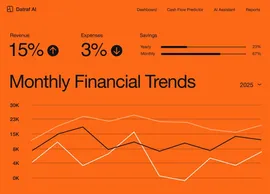
You describe, and the app is built
Vibe coding means creating an application by describing what you want in plain language and letting AI write it — the frontend, the logic, and everything needed to make it real.
Most vibe coding tools hand you a frontend and wish you luck. Base44 gives you the whole working application, and the code stays yours.
Go live, get found
A vibe coding platform turns a plain-language software description into a working application — you write intent and refine the result in conversation. Base44 is a vibe code platform that ships the infrastructure with the app — hosting, security and a database come built in, so no technical knowledge is required.
Vibe coding means creating an application by describing what you want in plain language and letting AI write it — the frontend, the logic, and everything needed to make it real.
An editor helps you write code faster in a project you already run. A platform produces and runs the whole application — database, auth and hosting included.
Any tool can generate a screen. What matters is whether the thing underneath it runs, holds your data, signs your users in, and can be handed to a developer later.
Start here
Vibe coding is not only for apps. Pick anything you need or want to achieve, describe it, and build an app, a site, an agent or a game you can actually use.
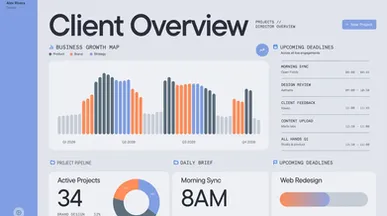
The spreadsheet your team has outgrown — requests, approvals, inventory — with real logins so the right people see the right rows.
Build an app
A marketing site, a landing page or a portfolio — pages built to be read and to rank, not to hold accounts.
Build a website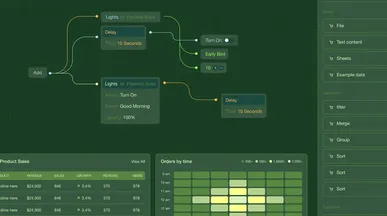
Not a chatbot bolted on: an agent that runs tasks on a schedule, reaches you where you already work, and keeps going when you close the tab.
Build an agent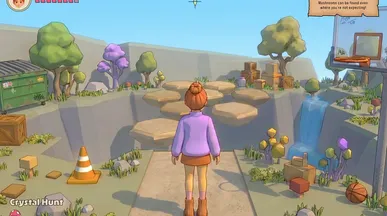
A browser game you can hand someone a link to — the fastest way to see how far a description gets you.
Build a game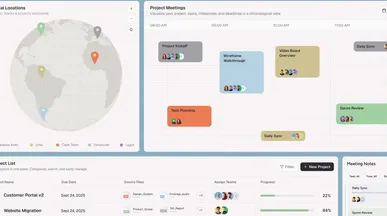
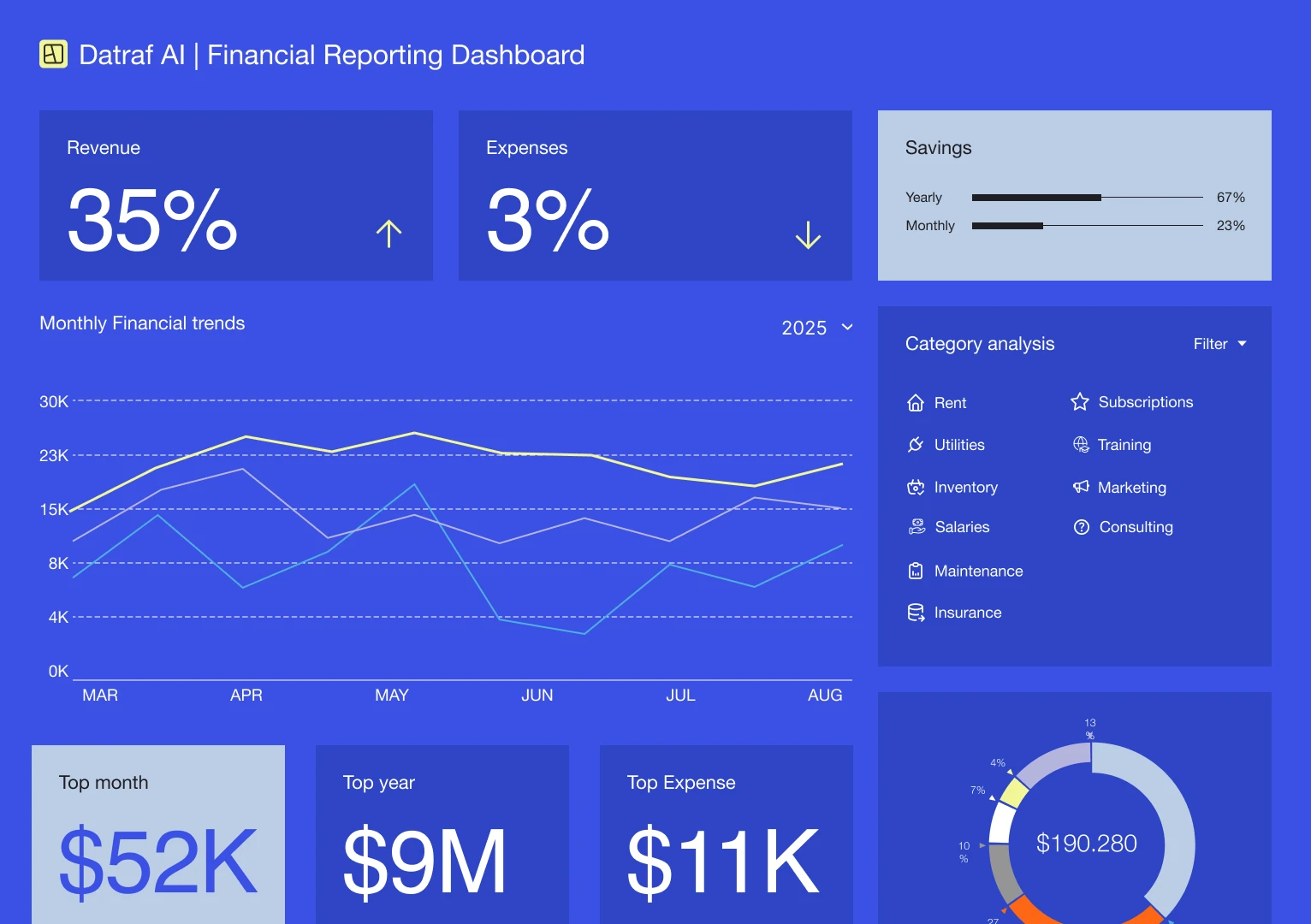
Sign-ups, subscription billing and a dashboard — the standard shape of a small software business, generated as working code.
Start buildingYou are not handed a frontend and left to find a backend. The database, the logins, the hosting and the code are all part of what gets built — and the code is yours to take.
What you get
Not a mockup and not a starting template — the working parts of an application, generated together so they actually fit.
The app you vibe code connects natively to Gmail, Google Calendar, Google Drive, Outlook and Slack. Stripe, HubSpot, Salesforce, Notion and dozens more are a prompt away.
Connectors are available on Builder plans and above.
How it works
You describe what you want, the platform generates the whole application, and you refine it in conversation until it does what you meant. Five steps, start to finish — most first versions arrive in a few minutes.
Write what it should do and who it is for, in plain language. This is the whole input a vibe coding platform needs — no stack decisions, no boilerplate.
Base44 generates the screens, the data model and the backend together, then puts it in front of you running rather than as a diff to review.
Change what is wrong by saying so. Add a field, restrict a page to admins, change how a flow ends — each change lands in the live app.
Add logins, connect Stripe for payments, and hook up the services you use. Payments and connectors are available from the Builder plan.
Hosting is already there, so publishing is not a separate project. Add a custom domain from Starter, and export the code whenever you want it.
10M+ apps
built on Base44
Vibe code the app only you can build
Deep dives and practical guides on describing software well, from people who build this way every day.