Chatbot templates
Choose a working chatbot, connect your own documents and rules with AI, and answer in your words instead of a generic model's.
Templates
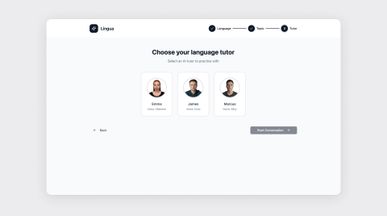
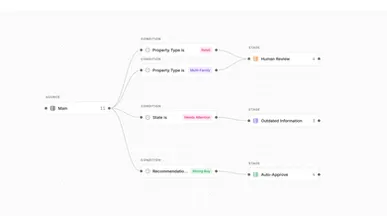
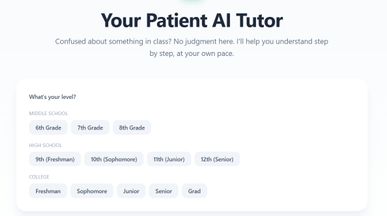
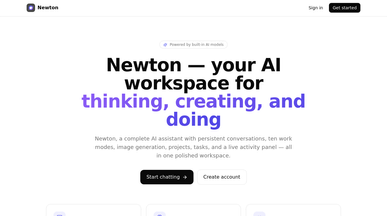
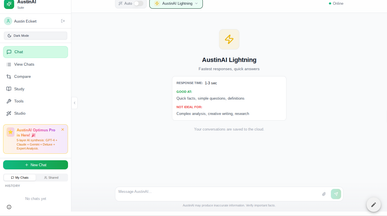
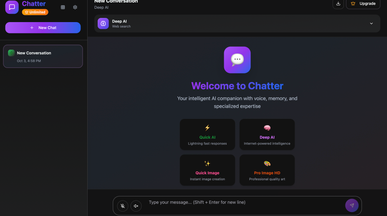
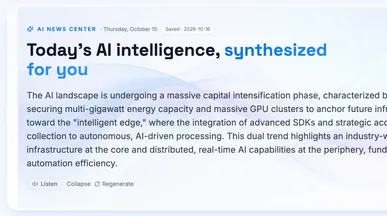
Chatbot app templates grounded in your organization
A chatbot is only worth having if it knows things a general model does not: your policies, your prices, your product, your process. That is the difference between a bot that deflects real questions and one that invents an answer and costs you a customer. With these templates you can build a chatbot easily, since they arrive with the grounding already wired — your documents in, the answer drawn from them, the sources shown, and a route to a human when it does not know. Conversation history, permissions and the fallback rules are already built. Change the tone, the sources or the escalation rule by describing it.

Frequently asked questions
Six things, and none of them are clever:
- Answer from your material — not from general knowledge.
- Say when it does not know — and hand over cleanly.
- Show its source — so a wrong answer is traceable to a wrong document.
- Stay in scope — refuse questions outside what it is for.
- Keep history — so a person picking it up has the context.
- Log what it was asked — the best product research you will get.
How to write AI prompts helps with the instructions that hold the tone and the boundaries in place.
Choose on the job, because the shapes differ more than they look:
- Customer support — grounded answers, escalation, ticket creation.
- Internal knowledge — permissions matter more than tone.
- Lead qualification — it asks the questions, not the visitor.
- Guided assistant in a product — it acts on the user's own data.
- Document Q&A — one corpus, cited answers, no actions at all.
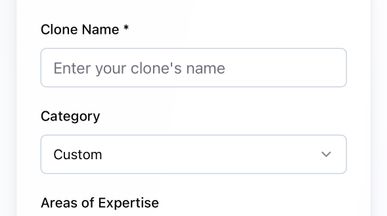
Clone the closest one and load your real documents before judging — sample content makes every bot look accurate. If the bot is mainly about handling customers, pair it with the CRM app builder page.
Go ahead. Build it yourself.